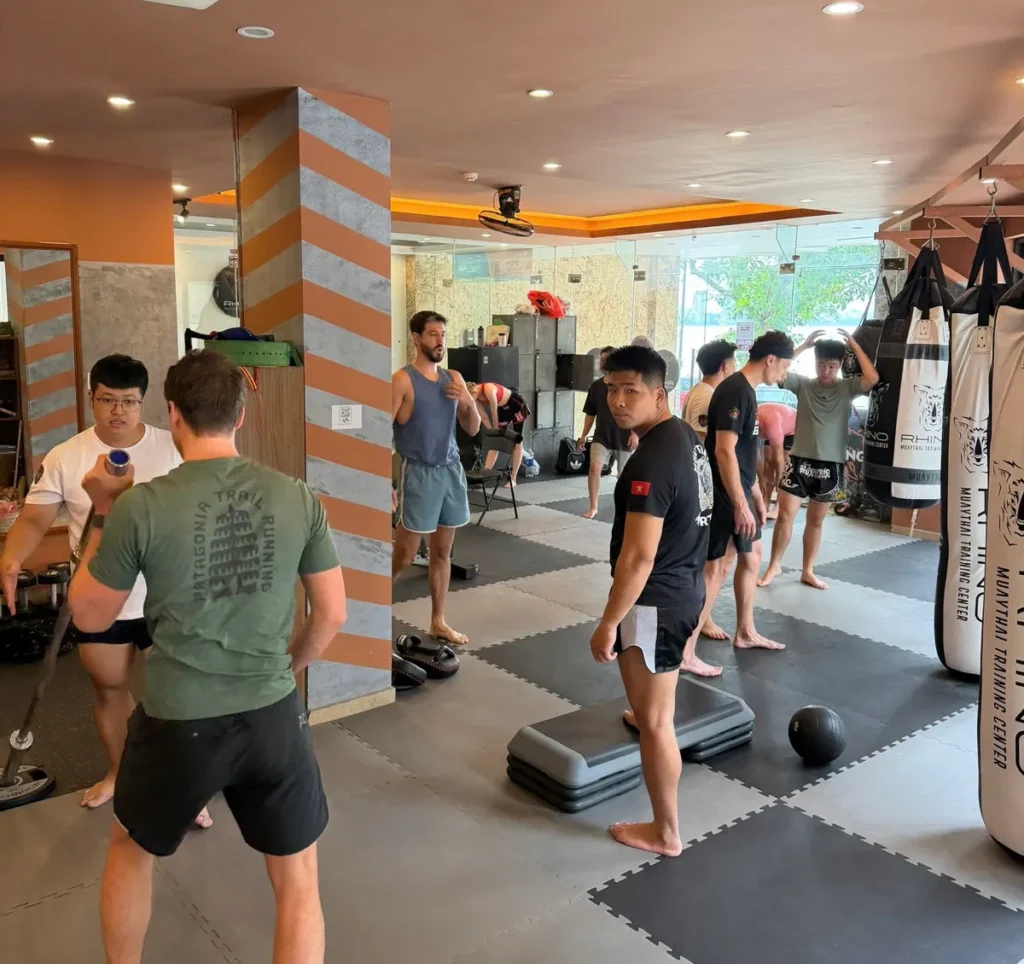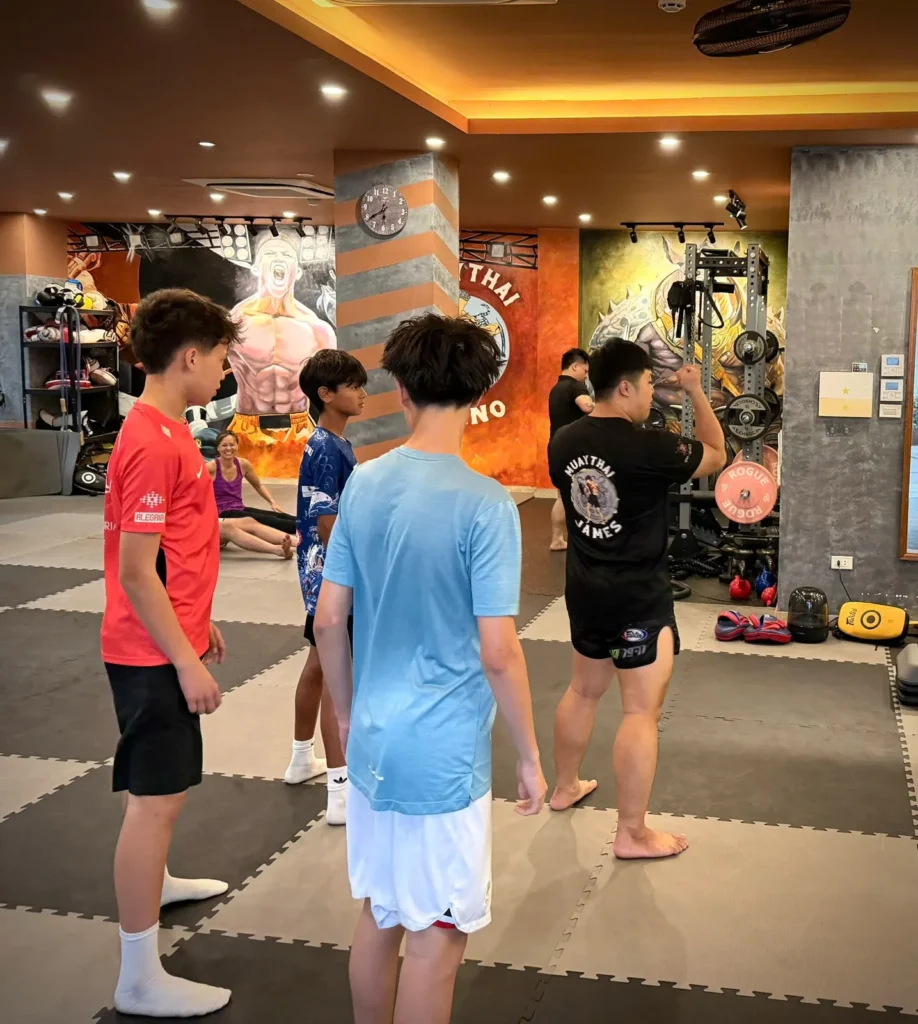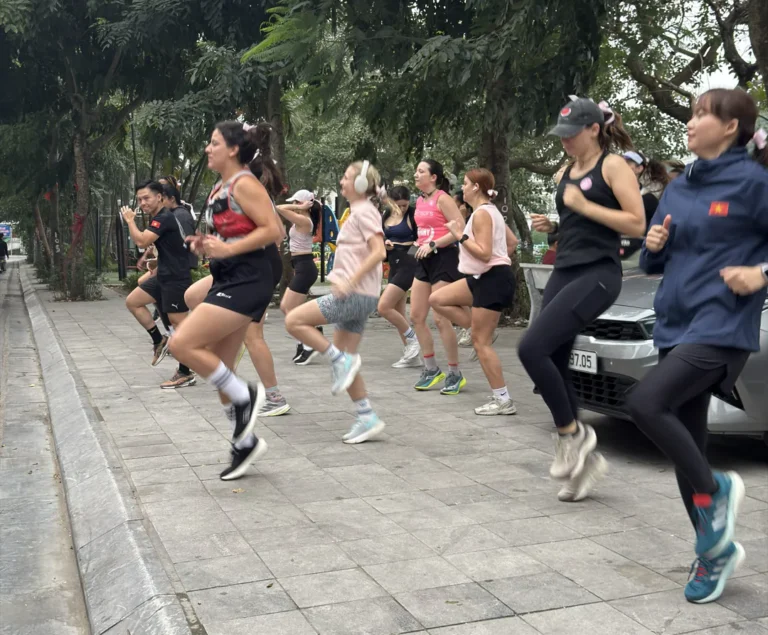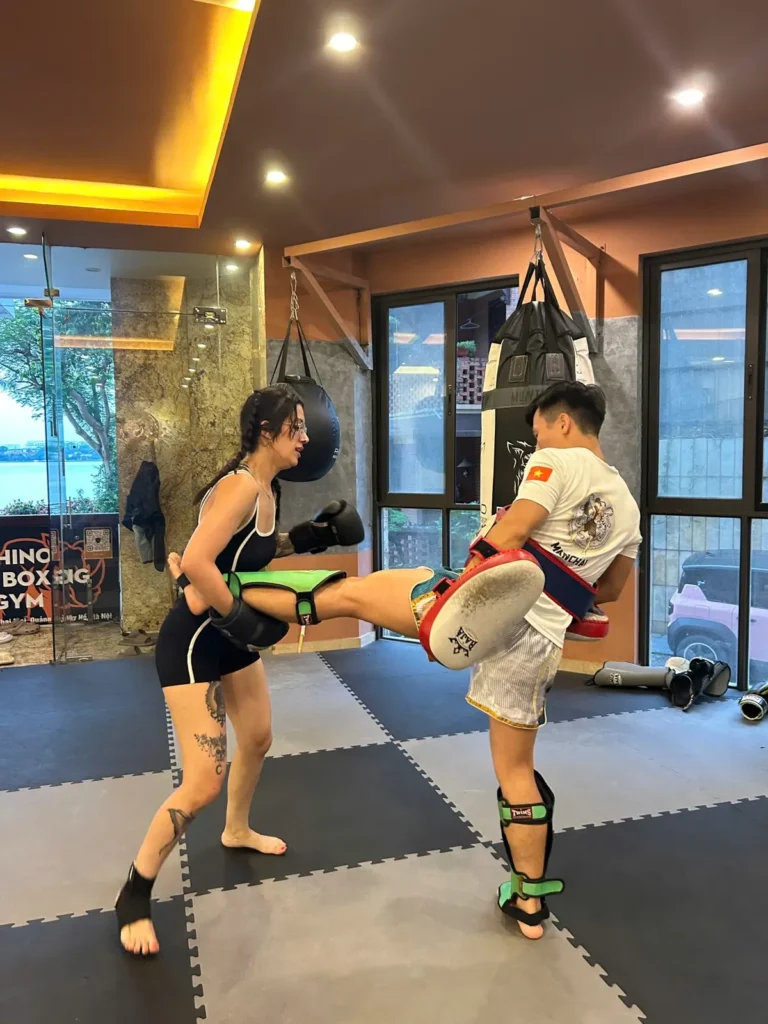
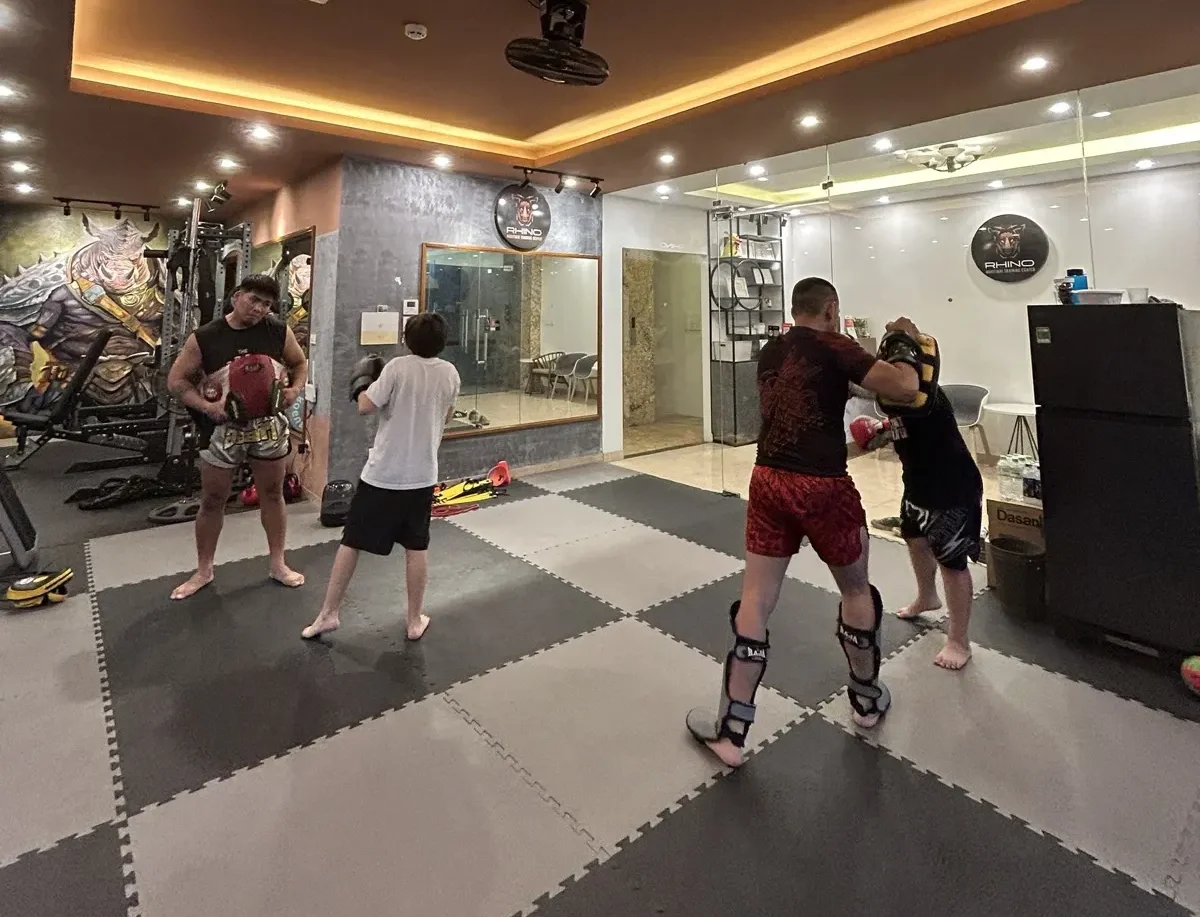
Martial arts for kids in Hanoi costs 1,990,000₫ a month at our gym, for children aged 8 to 15, and it is sold as a term-long programme rather than a taster course. That is the number and the commitment, up front, because most gyms in this city make a parent send three messages before either one appears. What the money buys is regular training, tracked progress, and a room where a child works on fitness, confidence, discipline and teamwork.
Hanoi’s schools open the 2026-2027 year at 07:30 on 5 September, which is when most parents start choosing what fills the afternoons. Below are seven answers: the cost, what happens in a session, what the research does and does not support, and the questions worth asking any gym before you hand over a term’s fees.
1. What Martial Arts for Kids in Hanoi Actually Costs
Our Kids Club runs at 1,990,000₫ a month for ages 8 to 15. There is no joining fee, and the figure includes VAT.
It helps to see that against the adult rates on the same timetable, because the comparison tells you what kind of product it is.
| Programme | Who | Price | Structure |
|---|---|---|---|
| Kids Club | Ages 8–15 | 1,990,000₫ / month | Ongoing, built to run across school terms |
| Adult group, monthly | 16+ | 2,000,000₫ / month | 12 sessions a month, rolling |
| Adult group, drop-in | 16+ | 300,000₫ / session | Pay as you go, no commitment |
Notice the Kids Club sits within 10,000₫ of the adult monthly pass but is not structured the same way. Adults can buy a single 300,000₫ session and walk away. The children’s programme is deliberately not that, and we would rather say so than let a parent discover it in week three. If you are looking for a one-month experiment to see whether your child likes it, this is the wrong product, and the honest advice is to wait until you are ready to commit to a term.
The full breakdown of every package, including the arithmetic on when a monthly pass beats paying per session, is on our Muay Thai prices in Hanoi page.
2. What Kids Muay Thai Classes Cover in the First Term
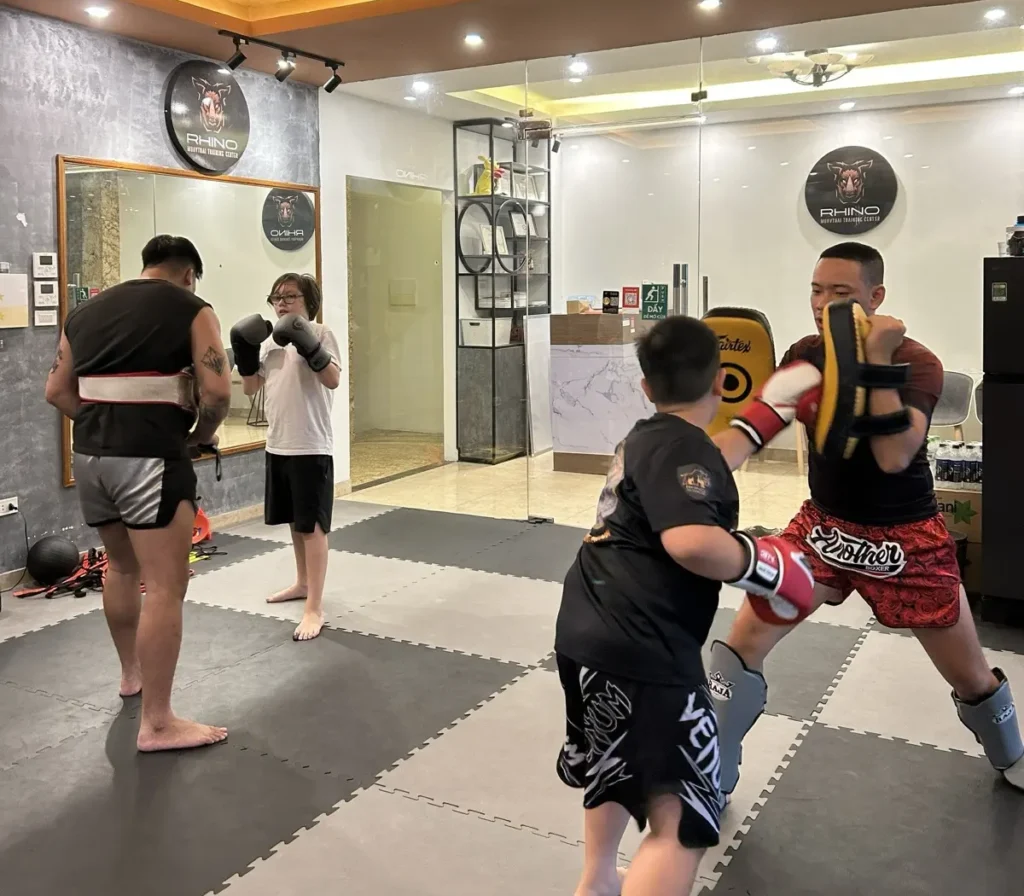
Kids muay thai classes are built as development over months, not a syllabus a child finishes. Members train on a regular schedule, their progress is tracked, and the sessions are aimed at four things the gym states plainly: fitness, confidence, discipline and teamwork. A child who joins in September is expected to still be there in December, and the programme is designed around that assumption.
What that looks like minute by minute depends on the group and the age spread in it, so ask the coaching team to walk you through a session before you enrol rather than after. That conversation is also your chance to watch how they talk about children, which tells you more than any timetable.
Two things about kids muay thai classes are worth understanding before you compare gyms. The first is that group size decides how much correction a child actually receives, because technique gets fixed while a coach is holding pads and watching one pair at a time. The second is that a child’s attention is the real constraint, not their fitness, which is why the programme is structured around habit rather than intensity.
That second point is what separates good kids muay thai classes from a children’s fitness class with pads in it. The measure of a term is not how hard the sessions were, it is whether your child still wants to go in month three.
3. Is Muay Thai for Children Safe, and What Does the Research Show
This is the question every parent asks first, usually phrased as whether it will make their child more aggressive. The honest answer is that the evidence on aggression is genuinely mixed, and any gym telling you otherwise is selling.
A 2026 systematic review of longitudinal studies looked at martial arts training and aggressive behaviour in children and adolescents. Its conclusion was that the evidence does not point to a consistent effect in either direction, and that results varied substantially depending on the discipline, how the programme was structured, and the setting it was studied in. In plain terms: the structure and the coaching matter more than the sport’s label.
Where the evidence is noticeably stronger is self-regulation. A randomised field experiment on Taekwondo classes found children rated the classes very positively and reported higher expectancies and values around using self-regulation, with those beliefs mediating the effect. An earlier school-based study in the Journal of Applied Developmental Psychology reported that after three months the martial arts group improved more than the comparison group on cognitive and affective self-regulation, prosocial behaviour, classroom conduct, and a mental maths test.
So the defensible claim about muay thai for children is about attention and self-control, not about behaviour guarantees. We are not going to promise your child will be calmer, and no study here supports a gym doing so. What the research does suggest is that muay thai for children is worth judging on how a specific room is run, which is an argument for visiting two gyms rather than comparing two price lists.
4. After School Activities in Tay Ho: Fitting Training Around Term Time
With term starting on 5 September, the practical question stops being whether a child should train and becomes whether the trip is survivable twice a week in Hanoi traffic. This is the part parents underestimate. A one-hour session with a forty-minute round trip either side is a two-and-a-half-hour commitment, and that is what gets abandoned in October, not the training itself.
We run two locations, both in Tay Ho:
- Branch 1 — 87 Alley 50 Dang Thai Mai, Quang An
- Branch 2 — 23 Alley 52 To Ngoc Van
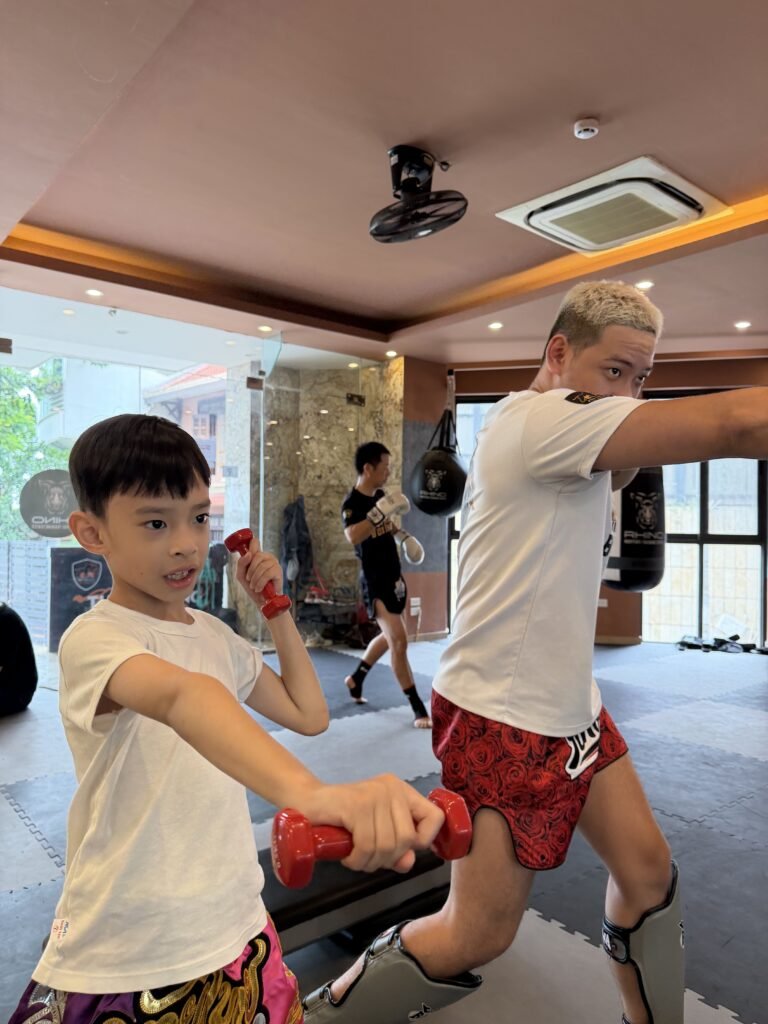
Tay Ho is Hanoi’s main expatriate district, so the room mixes Vietnamese families, long-term expats and children who arrived in the city last month. Coaching runs in both Vietnamese and English. When comparing after school activities in Tay Ho, the gym closest to your child’s school or your route home is worth more than a lower monthly fee across the city.
Thinking about the new term?
The Kids Club is 1,990,000₫ a month for ages 8 to 15, at both Tay Ho branches. Ask us about times before you commit to a term.
5. Group or One-to-One Kids Muay Thai Classes
For most children the group is the point. Half of what a parent is buying is the other children in the room, because turning up is a social habit before it is a fitness one, and a child who has friends in the session argues about going far less often.
One-to-one coaching earns its cost for a specific problem: a child who is genuinely too anxious to start in a group, or an older teenager with a competitive goal. It is not a better version of the same thing, and for general fitness the group delivers more for less. Parents who ask us to compare the two are usually surprised that we push them towards group kids muay thai classes and away from the more expensive option.
6. What to Ask Any Gym Before You Enrol Your Child
Ask us these too. A gym that cannot answer them quickly is telling you something.
- What is the cap on class size, not the average? The cap is what you get on a busy Monday.
- Can I watch the first session? Some gyms allow it, some find it distracts the group.
- What does my child bring on day one? Ask what gear is loaned in child sizes before you buy anything.
- How are children grouped? An eight-year-old and a fifteen-year-old in one session is a different product.
- What happens if we stop mid-term? Ask about freezing or transferring before you sign.
- What language is the session run in? Worth confirming for a child still settling into a new school.
7. The Honest Case for Waiting
Not every child should start in September. If your family’s schedule is already full, or your child is mid-way through settling into a new school, a term-long commitment starting in week one is the most expensive version of this decision. Nothing about the programme expires. Adults in the same situation are told to take drop-ins instead of a pass, and the equivalent advice for a family is to start the term you can actually attend.
The worst outcome for muay thai for children is not a late start. It is a term paid for and half attended, which costs the same money and teaches a child that the gym is something you quit.
Frequently Asked Questions
How much is martial arts for kids in Hanoi?
At our gym the Kids Club is 1,990,000₫ a month for ages 8 to 15, VAT included and no joining fee. Adult group training on the same timetable is 2,000,000₫ a month or 300,000₫ for a single drop-in session.
What age can a child start Muay Thai?
Our programme takes children from 8 to 15. Younger than that we do not currently run a group, and we would rather say so than take a booking that does not fit.
Will Muay Thai make my child more aggressive?
The longitudinal evidence reviewed in 2026 found no consistent effect in either direction, with outcomes depending heavily on how a programme is run. Judge the coaching and the structure, not the sport.
Does my child need equipment for the first session?
Ask us before buying anything. Send a message with your child’s age and we will confirm what is available to borrow in their size and what is worth buying later, once you know they are staying.
Are the classes taught in English?
Coaching at both Tay Ho branches runs in Vietnamese and English. If your child has just moved to Hanoi, mention it when you book so the coach knows.
Book a Look Around
The sensible next step in choosing martial arts for kids in Hanoi is not a payment, it is a conversation about times. Send a message from the contact page or call 091 2000 979, and the team confirms within 24 hours.
If you want the full cost picture first, start with Muay Thai prices in Hanoi. New to the sport yourself? Our guide to Muay Thai in Hanoi covers what a first adult class involves, and Muay Thai for women in Hanoi answers the same questions from a beginner’s side.